Pressure is defined a Force per unit area. With gases the force comes from the gas molecules hitting the side of the container. Air pressure is measured with a barometer.
Gas pressure is a gauge of the number and force of collisions between gas particles and the walls of the container that holds them. The SI unit for pressure is the pascal (Pa), but other pressure terms include atmospheres (atms), millimeters of mercury (mmHg), and torr. The following is a list of all of the standard pressure in every unit for pressure.
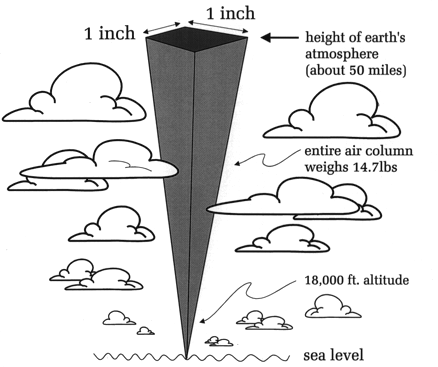
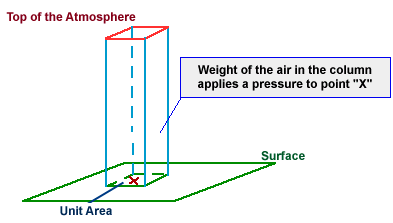
"Atmospheric Pressure" is defined as the force per unit area exerted against a surface by the weight of the air above that surface. The Diagram below , the pressure at point "X" increases as the weight of the air above it increases. The same can be said about decreasing pressure.
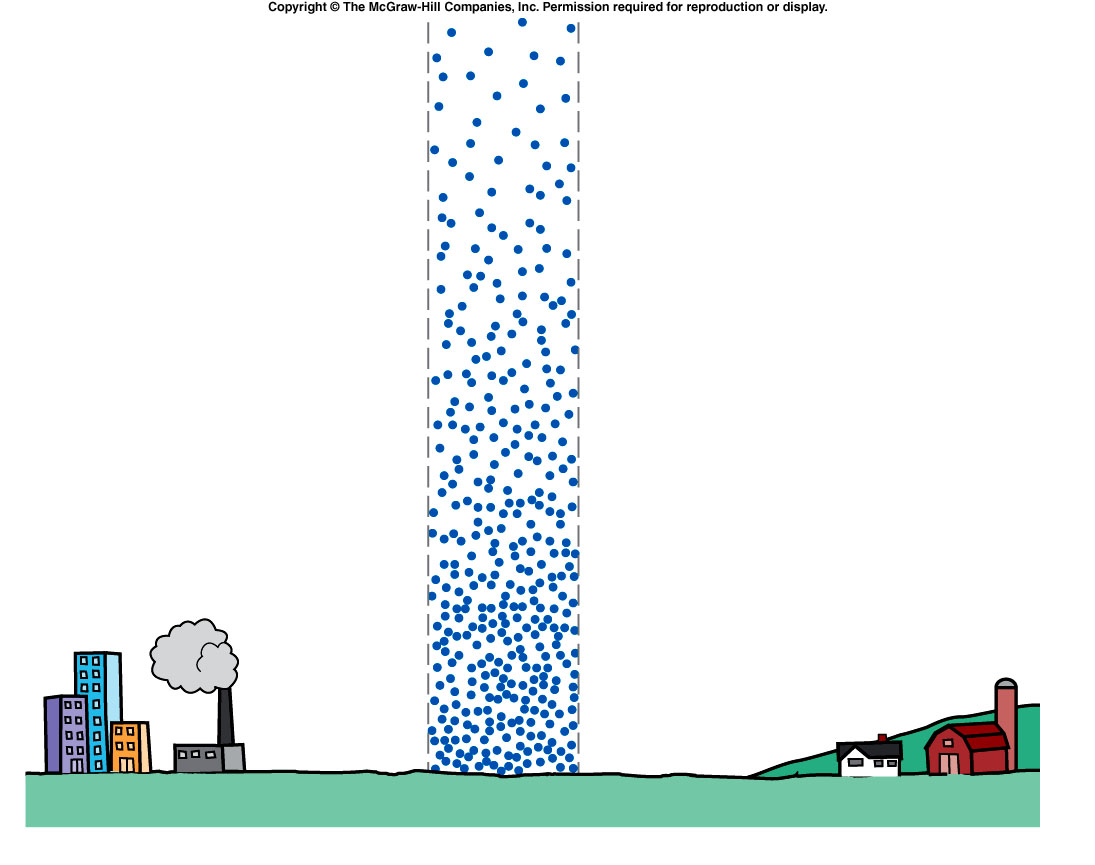
In the mountains there is less air above you so less pressure. Since gases are compressible, this creates an environment in the mountains that has less air per unit volume. It will be harder to breathe in the mountains because there is actually less O2 per volume compared to at sea level.
Pressure Conversion Examples-Highlight to reveal answers